Textbook of Natural Medicine 2nd Edition Volume 2Michael T. Murray, ND
See book keywords and concepts | | Particularly common is fat malabsorption, resulting in significant caloric loss and loss of fat-soluble vitamins and minerals. Involvement of the ileum or resection of that area typically results in bile acid malabsorption. Because of the cathartic effect of bile acids on the colon, this may result in a chronic watery diarrhea. Electrolyte and trace mineral deficiency should be suspected in patients with a history of chronic diarrhea, while calcium and magnesium deficiency may be a result of chronic steatorrhea. |
Textbook of Natural Medicine 2nd Edition Volume 1Michael T. Murray, ND
See book keywords and concepts | | Malabsorption
Malabsorption is characterized by abnormal fecal excretion of fat (steatorrhea) and variable malabsorption of fats, fat-soluble vitamins, other vitamins, proteins, carbohydrates, minerals and water. Common causes are listed in Table 9.3.
Important clinical diseases strongly associated with and possibly causal of mucosal malabsorption are listed in Table 9.4.
Pancreatic exocrine insufficiency
Inadequate delivery of pancreatic lipases and proteases to the small intestine can lead to inadequate breakdown
Table 9. | | This distinction is important since fish liver oil contains the fat-soluble vitamins A and D, which if taken in excessive amounts have the potential to cause toxicity. The lowest consistently reported daily intakes associated with chronic toxicity in adults are 50,000 IU for vitamin A and 10,000 IU for vitamin D (see Ch. 108). However, there is mounting evidence that vitamin D from sunlight and fish oil may reduce the incidence of certain cancers, such as breast cancer. Hence, some vitamin D residuals in the fish oil may actually increase its protective value against cancer as well as CHD. | | As with other fat-soluble vitamins, absorption of vitamin E depends on fat digestion and absorption. Therefore, conditions that impair fat digestion and assimilation will reduce tocopherol uptake.
Ascorbic acid (vitamin C)
This prominent, water-soluble antioxidant occurs in body fluids and the cytoplasm. Ascorbic acid is one of the most efficient chain-breaking antioxidants in human plasma,59 and can react with a wide range of ROS and free radicals, including superoxide, singlet oxygen, hypochlorite, and sulfur radicals. | | High levels may antagonize other fat-soluble vitamins, thus decreasing bone mineralization. It may be contraindicated for patients receiving anticoagulants or for those with a vitamin K deficiency.155
4. Large amounts of vitamin C rarely increase oxalate production; the effects seems to be counterbalanced by increased vitamin B6.156
5. Excessive iron and iron overload may cause hydroxyl radical production in vivo.157
6. Beta-carotene may increase the risk of lung cancer in high risk populations unless protected by antioxidants like vitamin E. | | At about this time, a great deal of work was being conducted on shark liver oil in an attempt to isolate the fat-soluble vitamins A and D. Ether lipids consisting mainly of batyl, chimyl and selachyl alcohols were purified from shark liver oil as a side product of this isolation. This material provided a ready source for further investigation of the ether lipids. This was fortuitous because the first therapeutic use of ether lipids was in 1930 when Giffin & Watkins7 employed yellow bone marrow to treat a patient with leukopenia. |
Elson M. Haas, M.D.
See book keywords and concepts |  Capsules, which are also easy to take and probably more easily digested and absorbed than are tablets, are used for powdered formulas and the fat-soluble vitamins. Capsules may be opened easily and the contents can be sprinkled on foods, as powders, or applied to the skin, as with vitamin A or E oil. Most capsules are made from beef or pork gelatin. Though there is a very expensive vegetable gelatin, it is really not used yet in vitamin manufacturing. True vegetarian vitamins must be put into tablets or powdered; the powders and liquids are potentially the purest. Capsules, which are also easy to take and probably more easily digested and absorbed than are tablets, are used for powdered formulas and the fat-soluble vitamins. Capsules may be opened easily and the contents can be sprinkled on foods, as powders, or applied to the skin, as with vitamin A or E oil. Most capsules are made from beef or pork gelatin. Though there is a very expensive vegetable gelatin, it is really not used yet in vitamin manufacturing. True vegetarian vitamins must be put into tablets or powdered; the powders and liquids are potentially the purest. |
Sheldon Saul Hendler and David Rorvik
See book keywords and concepts |  FOODS
Olestra: The fat substitute olestra inhibits the absorption of vitamin A as well as the other fat-soluble vitamins D, E and K. These vitamins are added to olestra to compensate for this. Olestra contains 170 IU of vitamin A per gram (51 retinol equivalents per gram).
OVERDOSAGE
Acute toxicity in infants or children can occur with a single dose of 25,000 IU per kilogram of body weight. Vomiting, increased intracranial pressure and death may occur. A dose of 2,000,000 IU or greater in adults, can cause a similar clinical picture. FOODS
Olestra: The fat substitute olestra inhibits the absorption of vitamin A as well as the other fat-soluble vitamins D, E and K. These vitamins are added to olestra to compensate for this. Olestra contains 170 IU of vitamin A per gram (51 retinol equivalents per gram).
OVERDOSAGE
Acute toxicity in infants or children can occur with a single dose of 25,000 IU per kilogram of body weight. Vomiting, increased intracranial pressure and death may occur. A dose of 2,000,000 IU or greater in adults, can cause a similar clinical picture. |
Elson M. Haas, M.D.
See book keywords and concepts | | These fat-soluble vitamins can be stored in the body tissues, so we can function for longer periods of time without obtaining them from the diet than we can without the water-soluble ones. For this reason, toxic levels can occur more easily from regular increased intake of these vitamins, especially vitamin A; vitamins D and Kcan also cause problems when taken in high dosages. Toxicity is less likely with vitamin E, since it is used readily by the body as an antioxidant to help protect against the harmful by-products of metabolism and against outside pollutants. |
Richard Lucas
See book keywords and concepts |  Phosphorus, iron, potassium, many other valuable minerals, and the important fat-soluble vitamins A, D, K, and E are also sacrificed. And whenever there is a constant iron loss, anemia follows. A high incidence of respiratory ailments often occurs in patients suffering from diarrhea because their systems are depleted of vitamin A. (This vitamin is important in preventing infections and keeping the tissues healthy. Phosphorus, iron, potassium, many other valuable minerals, and the important fat-soluble vitamins A, D, K, and E are also sacrificed. And whenever there is a constant iron loss, anemia follows. A high incidence of respiratory ailments often occurs in patients suffering from diarrhea because their systems are depleted of vitamin A. (This vitamin is important in preventing infections and keeping the tissues healthy. |
Elson M. Haas, M.D.
See book keywords and concepts | | Thus, caution is advised in supplementing higher amounts than suggested in the following discussions of these fat-soluble vitamins.
*I use the term "dosage" loosely to describe the suggested amount, not to infer a likeness to pharmaceutical prescriptions. Intake levels or requirements are more accurate terms.
Vitamin A, also known as beta-carotene or retinol, is a very important vitamin. Preformed vitamin A, as is found in fish liver oil, was the first vitamin officially named and was thereby given the letter A to identify it. | | Deficiency and toxicity: Vitamin E is not stored as readily as are the other fat-soluble vitamins. Excess intake is usually eliminated in the urine and feces, and most doses clear the body within a few days. For these reasons, toxicity from vitamin E use is unlikely. In animal studies, very high amounts of E have been shown to retard growth and decrease muscle tissue, decrease the red blood count, and cause poor bone calcification, though in humans these seem more likely to be signs of E deficiency. High intakes of the vitamin E oil can cause nausea, diarrhea, or flatulence in some people. |
Earl L. Mindell, R.Ph., Ph.D.
See book keywords and concepts |  Antacids deplete calcium; aspirin depletes vitamin C and folic acid; diuretics deplete minerals (especially calcium, magnesium, potassium and zinc); cholesterol-lowering drugs interfere with the absorption of fat-soluble vitamins such as A, D and E; corticosteroids such as prednisone deplete vitamin D, potassium and some of the B vitamins; and synthetic hormone replacement therapy depletes the B vitamins and folic acid. Antacids deplete calcium; aspirin depletes vitamin C and folic acid; diuretics deplete minerals (especially calcium, magnesium, potassium and zinc); cholesterol-lowering drugs interfere with the absorption of fat-soluble vitamins such as A, D and E; corticosteroids such as prednisone deplete vitamin D, potassium and some of the B vitamins; and synthetic hormone replacement therapy depletes the B vitamins and folic acid. | | Lubricants may decrease the absorption of fat-soluble vitamins such as A, D and E.
Surfactants (Docusate; brand names include Dialose, Regutol, Colace, Disonate, DOK, DOS Softgel, Regulax, Dioeze, Correctol, Sulfalax Calcium, Diocto-K)
What Do They Do in Your Body?
Surfactants help to mix fats with the contents of the colon, which makes stools softer and bowel movements easier.
What Are They Used For?
Treatment of diarrhea, or in conditions like anal fissure or hemorrhoids where passing firm stool is painful. | | Calcium, carotene, electrolytes, folic acid, iron and the fat-soluble vitamins A, B12, D, E and K.
What Else to Take If You Take These Drugs
Take supplements of vitamins A, B12, D, E and K as well as folic acid, iron, electrolytes, beta-carotene and calcium.
To reduce constipation drink at least eight glasses of water every day and eat foods high in fiber like whole grains, vegetables and fruit.
Other Tips on These Drugs
Because of the absorbing mechanism of these drugs, take other medications or supplements at least one hour before or four to six hours after a bile acid sequestrant. |
Mark Bricklin
See book keywords and concepts |  With their intestinal nutrient-absorbing mechanism subject to lessened efficiency, celiacs must supply themselves with much greater amounts of important nutrients. fat-soluble vitamins A, D and K are liable to be excreted in the feces rather than absorbed, so they must be supplied in extra quantities in order to be sufficient. The B vitamins, especially B12 and folate, which have been shown to be deficient in celiacs, must be generously supplied (European Journal of Pediatrics, vol. 132, no. 2, 1979; Lancet, April 25, 1981). With their intestinal nutrient-absorbing mechanism subject to lessened efficiency, celiacs must supply themselves with much greater amounts of important nutrients. fat-soluble vitamins A, D and K are liable to be excreted in the feces rather than absorbed, so they must be supplied in extra quantities in order to be sufficient. The B vitamins, especially B12 and folate, which have been shown to be deficient in celiacs, must be generously supplied (European Journal of Pediatrics, vol. 132, no. 2, 1979; Lancet, April 25, 1981). |
Bradley J. Willcox, D. Craig Willcox, and Makoto Suzuki
See book keywords and concepts |  The fear doctors have of recommending vitamins is that the public will start popping dangerous quantities of them. fat-soluble vitamins (vitamins A, D, E, and K) are stored in the body and can accumulate to toxic levels if consumed in extremely high doses (megadoses) for extended periods of time. They can also interfere with the action of other nutrients needed by the body in minute quantities for health. And until recently, there has been limited evidence that megadoses of any vitamins do much for you. The fear doctors have of recommending vitamins is that the public will start popping dangerous quantities of them. fat-soluble vitamins (vitamins A, D, E, and K) are stored in the body and can accumulate to toxic levels if consumed in extremely high doses (megadoses) for extended periods of time. They can also interfere with the action of other nutrients needed by the body in minute quantities for health. And until recently, there has been limited evidence that megadoses of any vitamins do much for you. |
Sheldon Saul Hendler and David Rorvik
See book keywords and concepts | | FOODS
Olestra: The fat substitute olestra inhibits the absorption of vitamin K as well as the other fat-soluble vitamins A, D and E. These vitamins are added to olestra. Olestra contains 8 micrograms of vitamin K per gram.
DOSAGE AND ADMINISTRATION
There is no typical dosage for vitamin K. Some multivitamin preparations contain vitamin K as vitamin Ki (phylloquinone or phytonadione) or vitamin K2 (menaquinones) at doses of 25 to 100 micrograms. The amount of vitamin K in these products is stated as the percentage of the daily value (DV) for vitamin K. |
Gary Null
See book keywords and concepts | 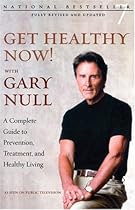 Nutritionally, she says, the first place to start is with fat-soluble vitamins, particularly A and E. These can be taken in supplement form or in foods.
"I recommend eating six pieces of organic fruit every day. Any fruit a man likes: oranges, apples, papayas, blueberries, pears, all through the list. Go out and spend money on the most inviting fruits available in the market."
You might want to work on preventing cardiovascular disease with the supplements that are good in that area. B vitamins can be obtained by n eating whole grains. Nutritionally, she says, the first place to start is with fat-soluble vitamins, particularly A and E. These can be taken in supplement form or in foods.
"I recommend eating six pieces of organic fruit every day. Any fruit a man likes: oranges, apples, papayas, blueberries, pears, all through the list. Go out and spend money on the most inviting fruits available in the market."
You might want to work on preventing cardiovascular disease with the supplements that are good in that area. B vitamins can be obtained by n eating whole grains. |
Elson M. Haas, M.D.
See book keywords and concepts | | Fats are important in transporting other nutrients, such as vitamins A, D, E, and K— the "fat-soluble vitamins." Fats are also an essential component of the cell membrane, and internal fatty tissues protect the vital organs from trauma and temperature change by providing padding and insulation. Fatty tissue, in fact, even helps regulate body temperature.
An important component of lipids is the fatty acids. Three essential fatty acids are needed biochemically by our bodies and are available to us only from our diet: linoleic acid (LA), arachidonic acid, and linolenic acid (LNA). |
Marion Nestle
See book keywords and concepts |  Manufacturers of products containing olestra would have to fortify them with fat-soluble vitamins A, D, E, and K to compensate for potential losses, and they would also have to include a warning notice on the package label. Recognizing that P&G planned to conduct postmarket surveys of consumer responses to olestra, the FDA also announced that it would review the results of those surveys and any new data in 30 months and would reconsider the approval at that time. Manufacturers of products containing olestra would have to fortify them with fat-soluble vitamins A, D, E, and K to compensate for potential losses, and they would also have to include a warning notice on the package label. Recognizing that P&G planned to conduct postmarket surveys of consumer responses to olestra, the FDA also announced that it would review the results of those surveys and any new data in 30 months and would reconsider the approval at that time. |
Dr. Gary Null
See book keywords and concepts | 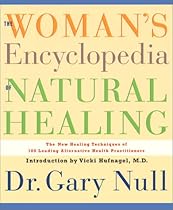 For example, fat-soluble vitamins A, D. E. and K require fat for absorption. That fat has to be broken down by an enzyme, lipase. If lipase is not present in sufficient quantities, that fat will not be broken down. If the fat isn't broken down, the vitamins will not be released. Therefore, you can spend a fortune on vitamin pills, and if you don't have the proper enzymes to release those vitamins into your system, they are just going to be flushed out."
Enzymes can be used externally as well as internally for youthful effects: "There are amazing enzyme treatments for the skin. For example, fat-soluble vitamins A, D. E. and K require fat for absorption. That fat has to be broken down by an enzyme, lipase. If lipase is not present in sufficient quantities, that fat will not be broken down. If the fat isn't broken down, the vitamins will not be released. Therefore, you can spend a fortune on vitamin pills, and if you don't have the proper enzymes to release those vitamins into your system, they are just going to be flushed out."
Enzymes can be used externally as well as internally for youthful effects: "There are amazing enzyme treatments for the skin. | | We need to look at the fat-soluble vitamins and cholesterol, triglyceride, and the ratio of good HDL cholesterol to bad LDL cholesterol, which can provide information about our fat absorption. I also recommend looking at enzymes of the pancreas to assess function, and a comprehensive stool analysis to see whether or not there are too many undigested particles in the stool. If parasites are present, this can decrease our absorptive ability. These are some of the main tests we need to perform to get a thorough picture of the individual. |
Larry Trivieri, Jr.
See book keywords and concepts |  The gallbladder secretes bile to aid absorption of fats and fat-soluble vitamins. Although the gallbladder functions only as a storage vessel for bile, chemical disturbances may result in the formation of gallstones, impeding the flow of bile to the small intestine and the absorption of nutrients.
Most food absorption takes place in the small intestine, while water, electrolytes, and some of the final products of digestion are absorbed in the large intestine.
LEAKY GUT SYNDROME
According to Patrick Donovan, N.D. The gallbladder secretes bile to aid absorption of fats and fat-soluble vitamins. Although the gallbladder functions only as a storage vessel for bile, chemical disturbances may result in the formation of gallstones, impeding the flow of bile to the small intestine and the absorption of nutrients.
Most food absorption takes place in the small intestine, while water, electrolytes, and some of the final products of digestion are absorbed in the large intestine.
LEAKY GUT SYNDROME
According to Patrick Donovan, N.D. | | Second, bile neutralizes stomach acid and eases the intestinal absorption of fats and fat-soluble vitamins. If the liver becomes overloaded with toxins or too much stored glucose, the gallbladder's canals become compressed, which decreases bile flow and impairs digestion.
An overloaded, swollen liver also reduces the flow of blood from the pelvic and abdominal regions. This blood pooling may putrefy in time, setting the stage for a host of problems including hemorrhoids, bowel irritation, uterine/ovarian or prostate irritation, neck pain and stiffness, and, in severe cases, heart palpitations. | | Unlike the other fat-soluble vitamins, vitamin K is not stored in significant quantity in the liver. Synthetic vitamin K (menadione) is toxic in excess dosages.
12-15 IU
200-800 IU
WATER-SOLUBLE VITAMINS
POSSIBLE SIDE EFFECTS
U.S. ADULT RDA/DRI
ADULT DAILY SUPPLEMENT RANGE
Vitamin C (ascorbic acid): Primary antioxidant, essential for tissue growth, wound healing, absorption of calcium and iron, and utilization of folic acid. | | Oils tend to store best under refrigeration and dark-glass containers are recommended to minimize exposure of fat-soluble vitamins to light.
See Enzyme Therapy, Nutritional Medicine.
Choosing Cookware
Glass (or Pyrex®), ceramics (including clay, terra-cotta, enamel, and porcelain), cast iron, and stainless steel should head your list for cookware materials. At the bottom of
9ti
MICROWAVING FOODS
A microwave oven cooks by generating heat in the food itself. It contains a magnetron tube, which converts electricity into electromagnetic radiation. |
Elizabeth Somer, M.A., R.D.
See book keywords and concepts | 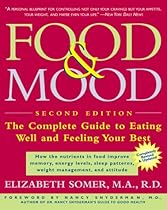 Fat is needed to help absorb the fat-soluble vitamins (A, D, E, and K), supply the essential fat called linoleic acid, and add variety to the diet. The natural fats found in seeds, nuts, avocados, and olives also provide phytochemicals, health-enhancing compounds that lower disease risk. The fats in fish, flaxseed meal, and walnuts supply the omega-3 fatty acids that help prevent depression and age-related memory loss. The body needs some salt (sodium) to regulate muscle and nerve function and maintain its natural fluid balance. Sugar adds taste and pleasure to a meal or snack. Fat is needed to help absorb the fat-soluble vitamins (A, D, E, and K), supply the essential fat called linoleic acid, and add variety to the diet. The natural fats found in seeds, nuts, avocados, and olives also provide phytochemicals, health-enhancing compounds that lower disease risk. The fats in fish, flaxseed meal, and walnuts supply the omega-3 fatty acids that help prevent depression and age-related memory loss. The body needs some salt (sodium) to regulate muscle and nerve function and maintain its natural fluid balance. Sugar adds taste and pleasure to a meal or snack. |
Annemarie Colbin
See book keywords and concepts |  Fat is also needed for the utilization of the fat-soluble vitamins A, D. E, and K. Specifically, as vitamin D helps in calcium metabolism, an extremely low-fat diet can, in the long run, damage the bones. robiotic meals in the summer. With these diets we go out of sync with our environment, and we might feel cold in the winter, cranky and depressed in the summer.
4. Local: Local produce tastes better, costs less, and is more nutritious because it is picked riper and does not lose nutrients in travel. Fat is also needed for the utilization of the fat-soluble vitamins A, D. E, and K. Specifically, as vitamin D helps in calcium metabolism, an extremely low-fat diet can, in the long run, damage the bones. robiotic meals in the summer. With these diets we go out of sync with our environment, and we might feel cold in the winter, cranky and depressed in the summer.
4. Local: Local produce tastes better, costs less, and is more nutritious because it is picked riper and does not lose nutrients in travel. | | The total lack of added fats in what is a mostly vegetarian diet could cause a deficiency of fat-soluble vitamins, such as A and D, as well as of fatty acids essential to metabolism. This lack can, and often does, cause chilliness. Fat keeps our body temperature comfortable. A certain level of fat intake appears necessary for the production of energy from the breakdown of acetates, an intermediate product in metabolic heat production. |
page 8 of 11 | Next ->
FAIR USE NOTICE: The research quoted here is provided under the protection of Fair Use provisions and published by the 501(c)3 non-profit Consumer Wellness Center for the purposes of public comment and education. Authors / publishers may submit books for consideration of inclusion here.
TERMS OF USE: Read full terms of use. Citations of text from NaturalPedia must include: 1) Full credit to the original author and book title. 2) Secondary credit to the Natural News Naturalpedia as a research resource and a link to www.NaturalNews.com/np/index.html
This unique compilation of research is copyright (c) 2008 by the non-profit Consumer Wellness Center.
ABOUT THE CREATOR OF NATURALPEDIA: Mike Adams, the creator of this NaturalNews Naturalpedia, is the editor of NaturalNews.com, the internet's top natural health news site, creator of the Honest Food Guide (www.HonestFoodGuide.org), a free downloadable consumer food guide based on natural health principles, author of Grocery Warning, The 7 Laws of Nutrition, Natural Health Solutions, and many other books available at www.TruthPublishing.com, creator of the earth-friendly EcoLEDs company (www.EcoLEDs.com) that manufactures energy-efficient LED lighting products, founder of Arial Software (www.ArialSoftware.com), a permission e-mail technology company, creator of the CounterThink Cartoon series (www.NaturalNews.com/index-cartoons.html) and author of over 1,500 articles, interviews, special reports and reference guides available at www.NaturalNews.com. Adams' personal philosophy and health statistics are available at www.HealthRanger.org.
|
 |
Refine your search
with Fat-soluble vitamins...
...and Anatomy:...and Body
...and Liver
...and Bile
...and Blood
...and Brain
...and Skin
...and Heart
...and Cells
...and Colon
...and Muscle
...and Nutrients:...and Vitamin
...and Calcium
...and Vitamin E
...and Vitamin A
...and Magnesium
...and Vitamin D
...and Lecithin
...and Essential fatty acids
...and Iron
...and Vitamin C
...and Key Health Concepts:...and Diet
...and Foods
...and Nutrients
...and Disease
...and Supplements
...and Drugs
...and Symptoms
...and Supplement
...and Health
...and Treatment
...and Macronutrients:...and Fats
...and Minerals
...and Protein
...and Fatty acids
...and Mineral
...and Proteins
...and Enzymes
...and Carbohydrates
...and Calories
...and Oils
...and Objects:...and Vitamins
...and People
...and Oil
...and Produce
...and Components
...and Capsules
...and Stool
...and Diets
...and Walls
...and Lining
...and Physiology:...and Absorption
...and Levels
...and Deficiency
...and Effect
...and Effects
...and Function
...and Deficiencies
...and Helps
...and Intake
...and Immune
...and Substances:...and Food
...and Acid
...and Acids
...and Water
...and Salts
...and Oxygen
...and Bacteria
...and Fluid
...and Lead
...and Fluids
...and Adjectives:...and Essential
...and Healthy
...and Fatty
...and Normal
...and Excess
...and Natural
...and Major
...and Free
...and Chronic
...and Toxic
...and Concepts:...and Energy
...and Time
...and Production
...and Example
...and Damage
...and Sources
...and Studies
...and Risk
...and Substances
...and Functions
...and Actions:...and Taking
...and Eat
...and Avoid
...and Synthesis
...and Growth
...and Eating
...and Protects
...and Play
...and Prevents
...and Functioning
...and Foods and Beverages:...and Sugar
...and Vegetables
...and Alcohol
...and Grains
...and Nuts
...and Fruits
...and Fish
...and Juice
...and Gluten
...and Sugars
...and Health Conditions and Diseases:...and Diarrhea
...and Heart disease
...and Cancer
...and Constipation
...and Gallstones
...and Inflammation
...and Anemia
...and Nausea
...and Pain
...and Aids
...and Medical Adjectives:...and Intestinal
...and Water-soluble
...and Digestive
...and Oral
...and Soluble
...and Therapeutic
...and Internal
...and Pancreatic
...and Metabolic
...and Adrenal
...and Who:...and Women
...and Children
...and Patients
...and Child
...and Physician
...and Adults
...and Men
...and Family
...and Human
...and Doctors
...and Biological Functions:...and Digestion
...and Metabolism
...and Weight loss
...and Period
...and Vision
...and Concentration
...and Attention
...and Strength
...and Memory
...and Fertility
...and Medical Terms:...and Results
...and Doses
...and Dosages
...and Gene
...and Dosage
...and Dose
...and Receptors
...and Drops
...and Serum
...and Inhibitors
...and Plants and Herbs:...and Ginger
...and Ginkgo
...and Root
...and Trees
...and Leaf
...and Alfalfa
...and Ginkgo biloba
...and Biloba
...and Nettle
...and Leaves
...and Hormones and Biochemistry:...and Hormones
...and Lipids
...and Insulin
...and Estrogen
...and Steroid
...and Methionine
...and Neurotransmitter
...and Homocysteine
...and Stomach acid
...and Histamine
|
Related Concepts:
Vitamins
Body
Liver
Vitamin
Absorption
Fats
Diet
Foods
Minerals
Bile
People
Blood
Nutrients
Calcium
Food
Disease
Protein
Vitamin E
Acid
Fatty acids
Taking
Oil
Acids
Vitamin A
Essential
Supplements
Water
Magnesium
Mineral
Healthy
Drugs
Levels
Deficiency
Brain
Effect
Proteins
Digestion
Effects
Fatty
Intestinal
Skin
Symptoms
Vitamin D
Lecithin
Eat
Normal
Enzymes
Essential fatty acids
Heart
Iron
Carbohydrates
Cells
Energy
Time
Avoid
Vitamin C
Water-soluble
Colon
Muscle
Supplement
Function
Deficiencies
Production
Diarrhea
Chitosan
Sugar
Calories
Helps
Vegetables
Antioxidant
Excess
Example
Malabsorption
Alcohol
Fat-soluble
Health
Damage
Heart disease
Natural
Intake
Celiac disease
Tissues
Small intestine
Sources
Treatment
Cancer
Immune
Studies
Risk
Synthesis
Tissue
Substances
Oils
Major
Functions
Growth
Increase
Stomach
Hormones
Process
|









 Email this page to a friend