Paul Pitchford
See book keywords and concepts |  Even the use of synthetic vitamins, particularly vitamin C—one of the staples of Western nutrition—also reduces excess by helping in the breakdown of fats and cholesterol. Many important dietary treatments involve raw foods and juices, which also are eliminative.
As illustrated by the concept of yin and yang, all processes eventually reverse at their extreme; thus among the current generation we see how a preponderance of rich, building foods has finally begun to manifest as its opposite, i.e., as deficiency. For these persons, the Oriental tonic herbs and dietary principles prove effective. Even the use of synthetic vitamins, particularly vitamin C—one of the staples of Western nutrition—also reduces excess by helping in the breakdown of fats and cholesterol. Many important dietary treatments involve raw foods and juices, which also are eliminative.
As illustrated by the concept of yin and yang, all processes eventually reverse at their extreme; thus among the current generation we see how a preponderance of rich, building foods has finally begun to manifest as its opposite, i.e., as deficiency. For these persons, the Oriental tonic herbs and dietary principles prove effective. |
Nontoxic, Natural and EarthwiseDebra Lynn Dadd
See book keywords and concepts | | Regardless of why you might want to take nutritional supplements, the first step is to consider whether to take vitamins derived from natural sources or synthetic vitamins made from petrochemicals such as coal tar.
Even though many people claim that natural and synthetic supplements are chemically identical, natural supplements do have molecular, biological, and electromagnetic differences that produce greater levels of biological activity; they are better utilized by the body than synthetic forms. |
Earl Mindell and Hester Mundis
See book keywords and concepts | 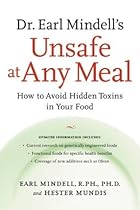 This means that inexpensive synthetic vitamins and minerals can be added to sugary junk foods to make them appear nutritious so they can sell for more.
Enrichment, on the other hand, is replacing nutrients in foods that once contained them. These nutrients are lost as a result of heat, storage, and so forth. Foods are enriched to the levels found in the natural product before processing.
Whether an enriched food has more additives than a fortified one depends on the product. This means that inexpensive synthetic vitamins and minerals can be added to sugary junk foods to make them appear nutritious so they can sell for more.
Enrichment, on the other hand, is replacing nutrients in foods that once contained them. These nutrients are lost as a result of heat, storage, and so forth. Foods are enriched to the levels found in the natural product before processing.
Whether an enriched food has more additives than a fortified one depends on the product. |
Earl Mindell
See book keywords and concepts |  Though synthetic vitamins and minerals have produced satisfactory results, the benefits from natural vitamins, on a variety of levels, surpass them. Chemical analysis of both might appear the same, but there's more to natural vitamins because there's more to those substances in nature.
Synthetic vitamin C is just that, ascorbic acid and nothing more. Natural C from rose hips contains bioflavonoids, the entire C complex, which make the C much more effective.
Natural vitamin E, which can include all the tocopherols, not just alpha, is more potent and better absorbed than its synthetic double. Though synthetic vitamins and minerals have produced satisfactory results, the benefits from natural vitamins, on a variety of levels, surpass them. Chemical analysis of both might appear the same, but there's more to natural vitamins because there's more to those substances in nature.
Synthetic vitamin C is just that, ascorbic acid and nothing more. Natural C from rose hips contains bioflavonoids, the entire C complex, which make the C much more effective.
Natural vitamin E, which can include all the tocopherols, not just alpha, is more potent and better absorbed than its synthetic double. | | Regrettably, a lot of synthetic vitamins use coal-tar dyes in their coatings—and keep it a secret. (Look for FD&C dye # listings.) These dyes are not necessarily harmful, but they can cause allergic reactions. My advice is to play it safe and buy natural vitamins that have no artificial adulterants—and say so!
Are calories counted differently in foreign countries?
Most foreign countries use the metric system, and the energy value of food is measured in units called joules, our kilocalories, better known as calories. Four of our calories are the equivalent of 17 joules. |
Elson M. Haas, M.D.
See book keywords and concepts |  The amounts of individual nutrients in purely natural vitamins are usually not very high, and thus many higher-dose "vitamins" contain a combination of natural and synthetic vitamins.
Synthetic: When vitamins are made chemically in the laboratory, rather than extracted from foods, they are termed "synthetic." The amounts of these vitamins can range from low to very high. The amounts of individual nutrients in purely natural vitamins are usually not very high, and thus many higher-dose "vitamins" contain a combination of natural and synthetic vitamins.
Synthetic: When vitamins are made chemically in the laboratory, rather than extracted from foods, they are termed "synthetic." The amounts of these vitamins can range from low to very high. | | Though synthetic vitamins able to perform the same functions and chemical reactions in the body as natural vitamins (since they have the same chemical structure), many people, especially those who are sensitive to chemicals, do not tolerate them as well. Synthetic vitamin products are more likely than those from natural sources to contain binders and fillers that might cause allergic reactions or gastrointestinal distress.
Organic: Scientifically speaking, all vitamins are organic, in that they contain carbon, but as with the term "natural," the health industry uses this term differently. | | Many foods have synthetic vitamins added to them. This can be of moderate benefit to people who consume these "enriched" foods. Often these added vitamins are the same ones that were removed during processing. The great flaw here, though, is that many important vitamins and minerals are processed out of whole foods and not added back into them. Vitamin B6, chromium, and zinc are a few examples of important nutrients that are lost during the processing of grains and flours and not replaced. For that reason, it is better to eat whole grains. | | This category includes a long list of both natural and synthetic vitamins and minerals used to both enrich foods (add what was depleted during processing) or fortify them (add more than was there or something totally new). The B vitamins are commonly added back into grain and cereal products, as is iron. Vitamin A is used in margarine, D in milk, and C in fruit drinks, while iodine is added to table salt. Some of these additions are helpful, but eating the whole food is a better way to get the nourishment. |
Dr Bernard Jenson and Mark Anderson
See book keywords and concepts |  Total. Total is then sold for 65 cents more than Wheaties. This practice alone has generated $425 million in additional profits since 1972 for General Mills.
It is not hard to understand why, when medical experiments are performed with synthetic vitamin fractions, these counterfeits fail to produce impressive results. But a reductionist mentality seeks to understand the whole by dismantling it to its parts. This precludes the wholistic principle that the whole is greater than the sum of its parts. Total. Total is then sold for 65 cents more than Wheaties. This practice alone has generated $425 million in additional profits since 1972 for General Mills.
It is not hard to understand why, when medical experiments are performed with synthetic vitamin fractions, these counterfeits fail to produce impressive results. But a reductionist mentality seeks to understand the whole by dismantling it to its parts. This precludes the wholistic principle that the whole is greater than the sum of its parts. |
Ronald Klatz and Robert Goldman
See book keywords and concepts | 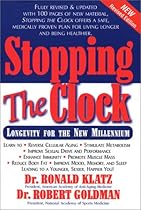 Remember:
If it's a high-quality vitamin, you should be able to break it in your fingers or with a dull knife. Another quality test is seeing if it will dissolve in a warm glass of water. If a vitamin doesn't pass these tests, it probably won't break down in your system. If your body has trouble digesting in general, try gelatin-encapsulated vitamins.
Vitamins lose potency with age. It's best to keep them in the refrigerator or in a dry cool place.
If your body is absorbing the vitamin's nutrients, especially B-vitamins, urine will be a bright yellow color. Remember:
If it's a high-quality vitamin, you should be able to break it in your fingers or with a dull knife. Another quality test is seeing if it will dissolve in a warm glass of water. If a vitamin doesn't pass these tests, it probably won't break down in your system. If your body has trouble digesting in general, try gelatin-encapsulated vitamins.
Vitamins lose potency with age. It's best to keep them in the refrigerator or in a dry cool place.
If your body is absorbing the vitamin's nutrients, especially B-vitamins, urine will be a bright yellow color. |
page 4 of 4 | Next ->
FAIR USE NOTICE: The research quoted here is provided under the protection of Fair Use provisions and published by the 501(c)3 non-profit Consumer Wellness Center for the purposes of public comment and education. Authors / publishers may submit books for consideration of inclusion here.
TERMS OF USE: Read full terms of use. Citations of text from NaturalPedia must include: 1) Full credit to the original author and book title. 2) Secondary credit to the Natural News Naturalpedia as a research resource and a link to www.NaturalNews.com/np/index.html
This unique compilation of research is copyright (c) 2008 by the non-profit Consumer Wellness Center.
ABOUT THE CREATOR OF NATURALPEDIA: Mike Adams, the creator of this NaturalNews Naturalpedia, is the editor of NaturalNews.com, the internet's top natural health news site, creator of the Honest Food Guide (www.HonestFoodGuide.org), a free downloadable consumer food guide based on natural health principles, author of Grocery Warning, The 7 Laws of Nutrition, Natural Health Solutions, and many other books available at www.TruthPublishing.com, creator of the earth-friendly EcoLEDs company (www.EcoLEDs.com) that manufactures energy-efficient LED lighting products, founder of Arial Software (www.ArialSoftware.com), a permission e-mail technology company, creator of the CounterThink Cartoon series (www.NaturalNews.com/index-cartoons.html) and author of over 1,500 articles, interviews, special reports and reference guides available at www.NaturalNews.com. Adams' personal philosophy and health statistics are available at www.HealthRanger.org.
|
 |
Refine your search
with Synthetic vitamins...
...and Key Health Concepts:...and Nutrients
...and Foods
...and Supplements
...and Diet
...and Health
...and Chemicals
...and Drugs
...and Chemical
...and Supplement
...and Nutrition
...and Adjectives:...and Synthetic
...and Natural
...and Complex
...and Whole
...and Real
...and Nutritional
...and Excess
...and Raw
...and Processed
...and Toxic
...and Nutrients:...and Vitamin
...and Vitamin C
...and Vitamin A
...and Ascorbic acid
...and Vitamin E
...and Antioxidant
...and B vitamins
...and Vitamins and minerals
...and Amino acids
...and B-complex
...and Objects:...and Vitamins
...and People
...and Oil
...and Plant
...and Components
...and Companies
...and Product
...and Animal
...and Pill
...and Produce
...and Anatomy:...and Body
...and Liver
...and Urine
...and Blood
...and Cells
...and Heart
...and Kidney
...and Organs
...and Kidneys
...and Hair
...and Substances:...and Food
...and Acid
...and Acids
...and Water
...and Bacteria
...and Powder
...and Pollution
...and Air
...and Hydrogen
...and Nitrogen
...and Concepts:...and Example
...and Life
...and Time
...and Process
...and Nature
...and Source
...and Study
...and Work
...and Sources
...and Factors
...and Foods and Beverages:...and Yeast
...and Flour
...and Wheat
...and Processed foods
...and Vegetables
...and Fruit
...and Sprouts
...and Fish
...and Nuts
...and Cereal
...and Macronutrients:...and Minerals
...and Enzymes
...and Protein
...and Fats
...and Seeds
...and Fiber
...and Proteins
...and Carbohydrates
...and Mineral
...and Calories
...and Physiology:...and Effect
...and Effects
...and Function
...and Stimulating
...and Prevent
...and Deficiency
...and Deficiencies
...and Balance
...and Absorption
...and Levels
...and Actions:...and Remember
...and Taking
...and Eat
...and Processing
...and Avoid
...and Approach
...and Growth
...and Rid
...and Eating
...and Making
...and Medical Terms:...and Doses
...and Results
...and Potency
...and Properties
...and Drops
...and Dosages
...and Stimulant
|
Related Concepts:
Vitamins
Body
Food
Nutrients
Synthetic
Vitamin
Foods
Natural
Supplements
Diet
Vitamin C
Minerals
Acid
Complex
Liver
Yeast
Doses
Vitamin A
Whole
Ascorbic acid
People
Flour
Example
Real
Health
Wheat
Life
Nutritional
Excess
Chemicals
Vitamin E
Enzymes
Drugs
Raw
Chemical
Effect
Tablets
Antioxidant
Time
Process
Nature
B vitamins
Supplement
Source
Processed
Remember
Study
Results
Natural vitamins
Work
Urine
Taking
Concentrates
Vitamins and minerals
Sources
Toxic
Effects
Factors
Amino acids
Nutrition
Unknown
Treats
General
Acids
B-complex
Biochemical
Isolated
Blood pressure
Products
Protein
Living
Oil
Refined
Plant
Amino
Water
Medical
Blood
Processed foods
Components
Eat
Function
Acidifying
High blood pressure
Companies
American
Functions
Cells
Enriched
Processing
Bacteria
Product
Manufacturers
Trace
Whole foods
Stimulating
Powder
Avoid
Dangerous
Balanced
|









 Email this page to a friend